

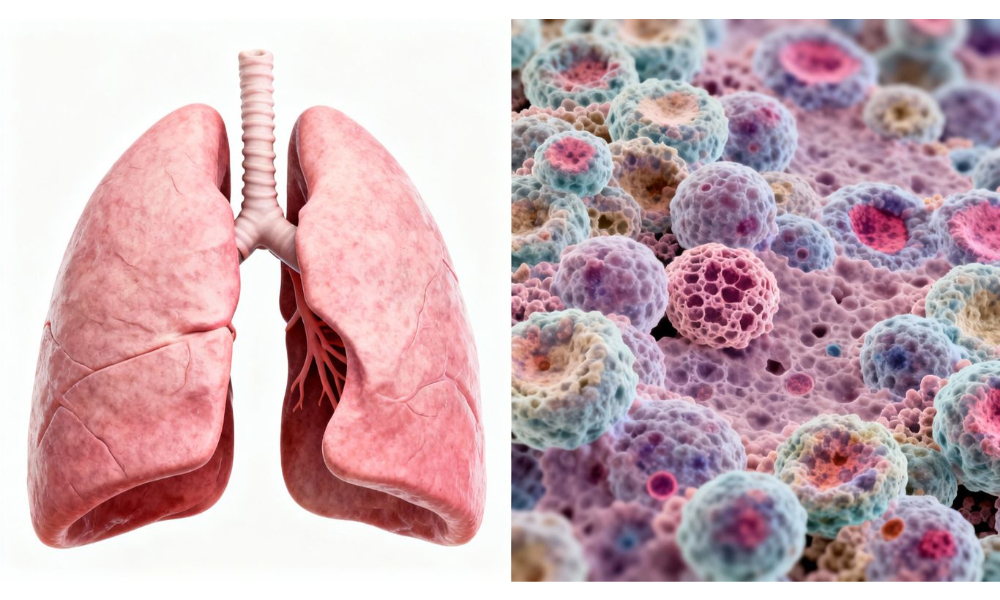
How Asbestos Fibers Cause Lung Damage
When asbestos fibers are inhaled, they can become lodged deep within the lungs. These fibers are microscopic and sharp, like tiny needles. Once inside, they can irritate and inflame the lung tissue. Over time, this constant irritation can lead to scarring and changes in the cells of the lungs. The body tries to remove these foreign invaders, but the fibers are very durable and resist breakdown. This struggle between the body and the fibers is what sets the stage for serious health problems.
- The body’s immune system struggles to break down asbestos fibers.
- Fibers can embed in lung tissue, causing chronic inflammation.
- This inflammation can lead to cellular changes and scarring.
Latency Period Of Asbestos-Related Lung Cancer
One of the most challenging aspects of asbestos-related lung cancer is the long time it takes for symptoms to appear. This delay is known as the latency period. It’s not uncommon for decades to pass between the initial exposure to asbestos and the diagnosis of lung cancer. This means that individuals who worked with asbestos many years ago might only now be developing the disease. The latency period can vary, but it is typically between 15 and 50 years. This extended timeframe makes it difficult to connect past exposures to current illnesses without careful investigation.
Distinguishing Asbestos Lung Cancer From Other Types
Diagnosing lung cancer caused by asbestos exposure requires careful medical evaluation. While the symptoms can be similar to lung cancer from other causes, like smoking, there are often specific indicators. Doctors will look at a patient’s work history and potential exposure to asbestos. Imaging tests like X-rays and CT scans can show abnormalities in the lungs. Sometimes, a biopsy is needed to examine lung tissue directly. It’s important for medical professionals to consider asbestos exposure as a potential cause, especially in individuals with a history of working in industries where asbestos was common. Identifying the specific cause is vital for legal and treatment purposes.
Navigating Lung Cancer Asbestos Litigation
When lung cancer is linked to asbestos exposure, legal action becomes a necessary step for many individuals and their families. This process, known as asbestos litigation, can be complex. It involves understanding the specific legal requirements and proving that asbestos exposure caused the illness. Successfully pursuing a claim requires careful attention to detail and a solid grasp of legal procedures.
Key Elements Of An Asbestos Lung Cancer Claim
To build a strong case, several components must be addressed. These are the building blocks of any asbestos-related lung cancer lawsuit:
- Exposure History: Documenting where and when exposure to asbestos occurred is paramount. This often involves detailing past workplaces, home renovation projects, or other environments where asbestos-containing materials were present.
- Medical Diagnosis: A confirmed diagnosis of lung cancer is, of course, required. Medical records must clearly link this diagnosis to asbestos exposure.
- Damages: Quantifying the losses suffered due to the illness, including medical bills, lost wages, and pain and suffering, is a significant part of the claim.
Statutes Of Limitations In Asbestos Cases
Time limits, known as statutes of limitations, apply to filing asbestos lung cancer lawsuits. These deadlines vary significantly by state and can be tricky to track. Generally, the clock starts ticking when the illness is diagnosed or reasonably should have been discovered. Missing these deadlines can permanently bar a claim, regardless of its merit. It is vital to consult with an attorney promptly to understand the specific time limits applicable to your situation.
Proving Causation In Lung Cancer Asbestos Litigation
One of the most challenging aspects of these cases is proving causation – that the asbestos exposure directly led to the lung cancer. This often involves:
- Medical Evidence: Expert medical testimony from doctors and pathologists is frequently used to establish the link between asbestos fibers and the development of lung cancer.
- Exposure Records: Detailed records of employment, including job duties and the presence of asbestos in the workplace, are critical.
- Scientific Data: Information on the known carcinogenicity of asbestos and its effects on the lungs helps support the claim.
⠀
Identifying Responsible Parties In Litigation
When pursuing a lung cancer claim related to asbestos exposure, pinpointing who is legally accountable is a key step. This often involves looking at various entities that had control over asbestos-containing materials or the work environment where exposure occurred. Determining responsibility requires a thorough investigation into the history of exposure and the parties involved.
Manufacturers and Suppliers of Asbestos Products
Companies that produced or sold asbestos-containing products are frequently named in litigation. These products, used widely in construction and manufacturing for decades, included insulation, cement, tiles, and brake linings. The legal argument here is that these manufacturers knew or should have known about the dangers of asbestos but failed to adequately warn consumers or workers.
- Product Design: Was the product inherently dangerous due to its asbestos content?
- Failure to Warn: Did the manufacturer provide sufficient warnings about the health risks?
- Marketing Practices: Were the products marketed in a way that downplayed or ignored the dangers?
Employers and Workplace Safety Obligations
Employers have a legal duty to provide a safe working environment for their employees. In cases of asbestos exposure, this means implementing proper safety protocols, providing protective gear, and informing workers about known hazards. Many lung cancer claims arise from occupational exposure in industries like shipbuilding, construction, mining, and manufacturing.
- Exposure Control: Did the employer take reasonable steps to limit asbestos dust in the workplace?
- Personal Protective Equipment (PPE): Was appropriate gear provided and its use enforced?
- Worker Training: Were employees educated about the risks of asbestos and how to handle it safely?
Property Owners and Renovation Projects
Individuals or entities that own or manage properties containing asbestos can also be held responsible, particularly if they fail to manage or abate these materials properly. This is especially relevant during renovation or demolition projects where asbestos can become airborne if disturbed without precautions.
- Asbestos Surveys: Was a professional survey conducted before renovation to identify asbestos?
- Abatement Procedures: Were proper containment and removal methods used by qualified professionals?
- Notice to Occupants/Workers: Were people working on or occupying the property informed of the asbestos presence and risks?
Seeking Compensation Through Legal Action
Types of Damages Available In Asbestos Claims
When someone develops lung cancer due to asbestos exposure, legal action can be a way to get financial help. This isn’t just about covering medical bills, though that’s a big part of it. The law recognizes that asbestos-related illnesses can cause a lot of different kinds of harm, and compensation aims to address these losses. The goal is to make the injured party whole again, as much as money can.
Several types of compensation might be available:
- Medical Expenses: This covers past, present, and future costs related to treating lung cancer. Think doctor visits, hospital stays, medications, therapy, and any necessary medical equipment.
- Lost Wages and Earning Capacity: If the illness prevents someone from working, they can seek compensation for the income they’ve lost. This also includes potential future earnings they might have made if they hadn’t become sick.
- Pain and Suffering: This accounts for the physical pain and emotional distress caused by the cancer and its treatment. It’s a way to acknowledge the non-economic impact of the disease.
- Loss of Consortium: In some cases, a spouse or family member may be compensated for the loss of companionship and support from the person with lung cancer.
Settlement Negotiations Versus Trial
When pursuing a claim, there are generally two main paths: settling the case or taking it to trial. Most asbestos-related lung cancer cases end up being settled. This means that both sides, the injured party and the party responsible for the exposure, agree on a compensation amount without a judge or jury making the final decision. Settlements can be faster and less stressful than a trial. However, if a fair settlement can’t be reached, the case might proceed to trial. A trial involves presenting evidence and arguments before a judge and jury, who will then decide on liability and the amount of compensation. Deciding whether to settle or go to trial involves careful consideration of the evidence and potential outcomes. Individuals diagnosed with lung cancer after asbestos exposure may be eligible to pursue legal action, including filing a personal injury lawsuit. This legal recourse aims to seek compensation for damages resulting from the exposure.
Trust Funds For Asbestos Victims
Many companies that used asbestos have gone bankrupt. To ensure that victims can still receive compensation, these companies often set up trust funds as part of their bankruptcy proceedings. These trusts are specifically designed to pay claims for asbestos-related diseases, including lung cancer. Filing a claim with a trust fund is a common way for victims to get compensation when the responsible company no longer exists as an active business. Each trust has its own rules and procedures for filing claims, and the amount awarded can depend on the specifics of the illness and the trust’s guidelines. It’s important to work with legal counsel to understand which trusts might be applicable and how to file a claim properly.
The Role Of Legal Counsel In Lung Cancer Cases
Choosing An Experienced Asbestos Attorney
When facing a lung cancer diagnosis linked to asbestos exposure, securing legal representation is a significant step. Not all attorneys are equipped to handle these complex cases. It’s important to find a lawyer who specifically focuses on asbestos litigation. They will understand the intricacies of proving exposure, the medical aspects of asbestos-related diseases, and the legal pathways to seek compensation. Look for attorneys with a track record of success in similar cases. They should be able to explain the process clearly and answer your questions without using overly technical language.
Gathering Evidence For Your Case
Building a strong case requires thorough evidence collection. This often involves several key areas:
- Work History: Detailed records of past employment, including the types of jobs performed, the duration of employment, and the specific locations where asbestos exposure may have occurred.
- Medical Records: All relevant medical documentation, such as diagnoses, treatment plans, test results, and physician’s reports related to your lung cancer and any other asbestos-related conditions.
- Witness Testimony: Statements from former coworkers, supervisors, or family members who can corroborate your exposure history or the conditions at your former workplaces.
The attorney’s role is to guide you through this evidence-gathering process, identifying what is needed and how to obtain it. This can include requesting records from employers, medical facilities, and government agencies.
Understanding Legal Fees And Costs
Many asbestos attorneys work on a contingency fee basis. This means they only get paid if they win your case, either through a settlement or a trial verdict. Their fee is typically a percentage of the compensation awarded. It’s important to have a clear discussion about these fees upfront, as well as any other costs associated with your case, such as court filing fees or expert witness expenses. A reputable attorney will be transparent about all financial aspects, allowing you to make an informed decision about moving forward.
Future Considerations For Asbestos Exposure Victims
Ongoing Research And Medical Advancements
Medical science continues to explore asbestos-related diseases. Researchers are looking into new ways to detect these conditions earlier and develop more effective treatments. This includes studying the long-term effects of asbestos exposure and how different types of asbestos fibers might impact the body. Understanding these ongoing developments is important for anyone who has been exposed. New diagnostic tools and therapeutic approaches are always on the horizon, offering potential hope for better outcomes.
Preventing Future Asbestos-Related Illnesses
While much asbestos use has been phased out, it still exists in older buildings. Awareness and proper safety protocols are key to preventing new cases of illness. This involves:
- Educating workers in renovation and construction about the risks.
- Implementing strict procedures for handling and removing asbestos-containing materials.
- Encouraging regular inspections of older structures for potential asbestos hazards.
Public health initiatives play a role in keeping these risks in the public eye.
Long-Term Health Monitoring For Exposed Individuals
For those with a history of asbestos exposure, regular medical check-ups are a good idea. Even if no symptoms are present, monitoring can help catch any developing lung conditions early. Doctors can recommend specific screening tests based on an individual’s exposure history. This proactive approach can lead to earlier diagnosis and treatment, potentially improving the prognosis for asbestos-related lung diseases.