

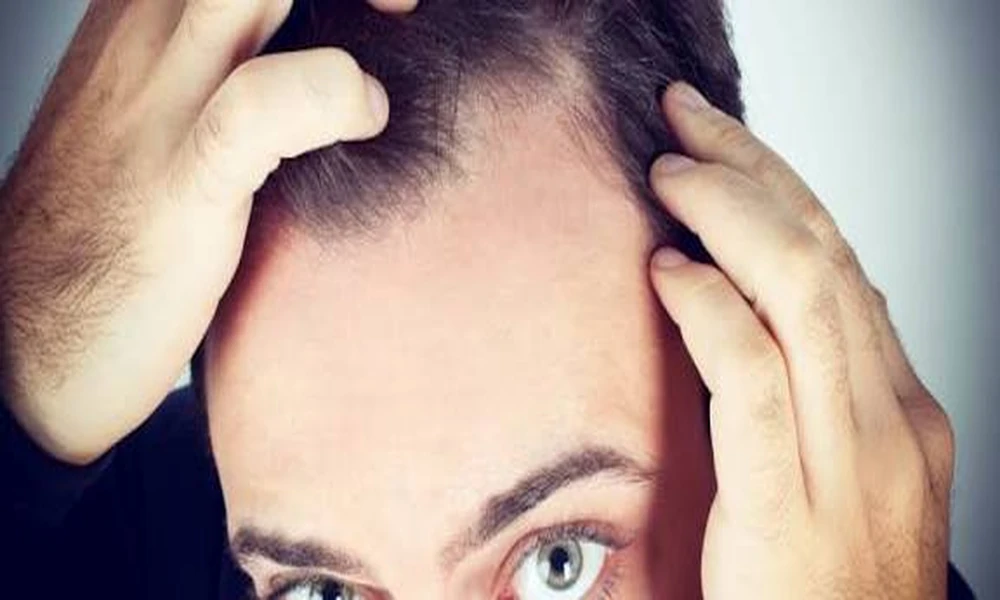
Post-pregnancy hair loss can literally be an unexpected and frustrating experience for the majority of new mothers.
You may notice hair shedding very often when you are brushing, washing or even styling your hair.
Although this overall condition is usually temporary, the majority of women look for ways to support healthy hair regrowth in a better way.
Hair growth tablets for men and women are often considered as a nutritional aid during this period.
Understanding Post-Pregnancy Hair Loss
During pregnancy, increased estrogen levels prolong the hair growth phase which results in thicker as well as fuller-looking hair. After childbirth, hormone levels return to normal which causes many hairs to enter the shedding phase in a very simultaneous manner.
This condition is known as postpartum hair loss which typically begins around 2 to 4 months after delivery. It may continue for several months.
While postpartum hair shedding is natural. Factors such as nutritional deficiencies, stress, lack of sleep as well as recovery from childbirth can totally make it more noticeable.
How Hair Growth Tablets Can Help?
Hair growth tablets are very expertly designed to provide essential nutrients that support healthy hair follicles as well as overall hair health. They do not stop the hormonal shedding process. They may assist in ensuring your body has the nutrients needed for overall healthy hair regrowth.
Common nutrients found in hair growth supplements include all these:
Biotin (Vitamin B7)
Biotin totally supports the total production of keratin. A key protein that makes up hair. It may help strengthen hair strands as well as reduce breakage.
Iron
Iron deficiency is very common after pregnancy. It is particularly in women who experienced significant blood loss during childbirth. Adequate iron levels are very crucial for overall healthy hair growth.
Zinc
Zinc supports tissue repair as well as healthy hair follicle function. Low zinc levels have been associated with hair thinning.
Vitamin D
Vitamin D totally plays a role in hair follicle health. Low vitamin D levels may totally contribute to hair loss.
Folic Acid
Folic acid helps with cell growth as well as renewal which includes the cells involved in hair production.
Amino Acids
Ingredients such as L-cysteine and L-lysine totally contribute to keratin formation and may help overall improve hair strength.
Choosing the Right Hair Growth Tablet
When selecting a supplement for postpartum hair loss, consider all these:
- Look for products which have balanced vitamin as well as mineral levels
- Choose supplements from reputable manufacturers
- Check whether the product is very much suitable for breastfeeding mothers
- Avoid products with excessive doses of vitamins as well as minerals
Are Hair Growth Tablets Safe While Breastfeeding?
Many supplements for hair growth are power-packed nutrients that are generally safe during the phase of breastfeeding. Some products for hair wellness may include herbal extracts. You may even high-dose ingredients that are not generally recommended for nursing mothers.
Before starting any hair growth tablet while breastfeeding then make sure to consult your healthcare professional. It helps ensure the ingredients are quite appropriate for you as well as your baby.
Additional Ways to Support Hair Regrowth
Hair tablets work literally best when combined with healthy lifestyle habits:
Eat a Nutrient-Rich Diet
Focus on foods rich in all these:
- Protein
- Iron
- Zinc
- Omega-3 fatty acids
- Fruits
- Vegetables
Stay Hydrated
Adequate amount of hydration totally supports overall health as well as helps maintain a healthy scalp environment.
Manage Stress
Caring for a newborn can literally be stressful. Gentle exercise, relaxation techniques as well as adequate support can totally assist in reducing stress-related hair shedding.
Hair Care Tips for Post-Pregnancy Hair Loss
1. Avoid very hot water
Hot water can leave already-dry hair feeling rough as well as dehydrated.
2. Don’t scrub aggressively
Massage shampoo in a very gentle manner with your fingertips rather than scratching the scalp with your nails.
3. Use conditioner
Conditioners can totally help reduce friction and tangling which makes the hair easier to manage.
4. Reduce excessive heat styling
Frequent straightening, curling as well as high-temperature blow-drying can totally contribute to hair-shaft damage.
5. Be careful with chemical treatments
Frequent colouring, bleaching or chemical straightening can totally make already-fragile hair more susceptible to breakage.
6. Don’t automatically take hair supplements
Biotin, iron and other supplements are ideal to be taken for overall hair growth. Supplements are most useful when there is an actual deficiency or another actual medical reason to use them.
When to Consult a Doctor for Postpartum Hair Loss?
Postpartum hair loss is very common. It is a temporary condition that usually begins a few months after delivery. It improves within 6 to 12 months in a very gradual manner. As hormone levels return to their pre-pregnancy state, normal hair growth patterns are typically restored. There are situations where professional medical guidance may really be necessary.
You should totally consider consulting a healthcare provider if hair shedding:
- Seems unusually severe
- Causes noticeable thinning
- Significantly affects your confidence as well as well-being
Medical evaluation is very crucial if you actually develop bald patches as well as experience sudden hair loss in specific areas. You may even notice visible scalp exposure.
Seek medical advice if you have been dealing with all these:
- Hair loss is excessive or continues beyond 12 months after childbirth
- You notice bald spots or patchy hair loss
- You have dry skin, brittle nails or sensitivity to cold
- You suspect nutritional deficiencies, particularly low iron or vitamin D
- Hair shedding worsens instead of improving in a gradual manner
- Your hair becomes increasingly thinner over a period of time
- You experience fatigue, dizziness, weakness or unexplained weight changes
Conditions such as:
- Iron-deficiency anemia
- Thyroid disorders
- Hormonal imbalances
- Chronic stress
All these can totally contribute to continued shedding. Early diagnosis and treatment of these underlying factors can totally assist in restoring healthy hair growth as well as improving overall health.
If you are concerned about your hair loss then a doctor may recommend blood tests to check iron levels, thyroid function as well as nutritional status. Addressing these issues can very often lead to improved hair health and faster recovery.
The good news is that for most women, postpartum hair loss is temporary as well as hair fullness in a very gradual manner returns with time, proper nutrition and self-care.
Conclusion
Hair growth tablets can literally be a helpful addition to a postpartum hair care routine. It is particularly when nutritional gaps totally contribute to hair weakness as well as shedding.
Key ingredients such as biotin, iron, zinc, vitamin D and amino acids are generally present in tablets for hair growth.
All these may support stronger, healthier hair as your body recovers right after pregnancy in an effective manner.
A balanced diet, proper self-care and professional guidance really means a lot. These supplements for overall hair wellness can totally assist in supporting overall healthy hair regrowth as well as confidence during the postpartum journey.