

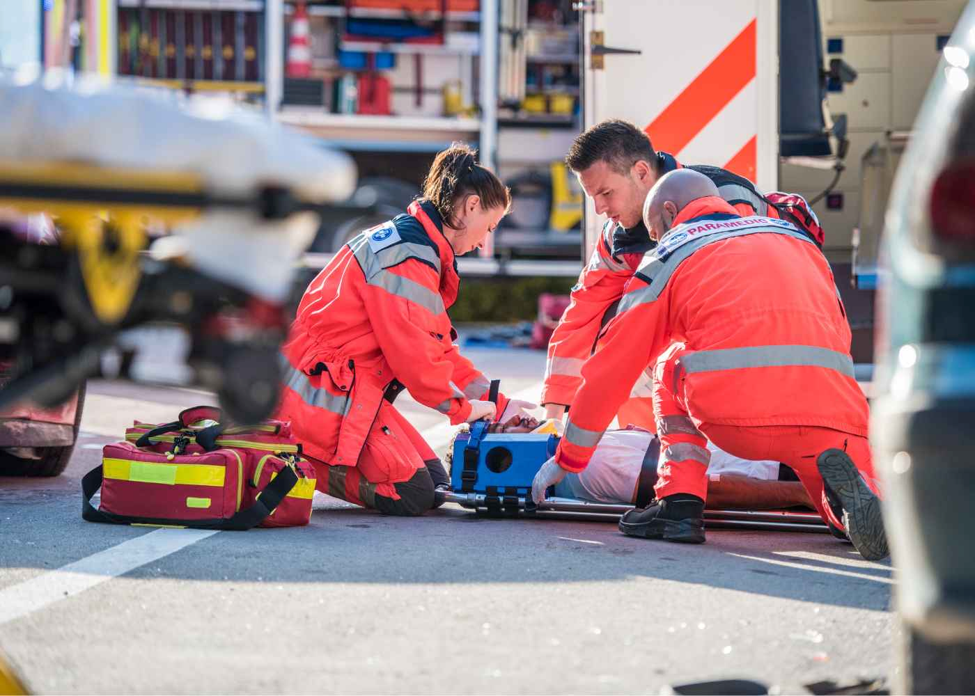
Anyone who has run an EMS agency or a fire department knows the feeling. A crew comes back from a hard call, and the way they handled it tells you more about your training program than any report ever could.
Those moments are the quiet reward of leadership in this field. They are also the product of work that happened weeks and months earlier, long before the tones dropped.
Why Skills Fade Between Calls
Some procedures come up every shift. Others might come up once a year, and those are the ones that slip.
A medic who rarely manages a pediatric airway, a firefighter who has not worked a hazmat scene in a long time, a rescue technician who seldom rigs a rope system, or a dispatcher who almost never takes a particular kind of call all face the same problem. Knowledge that is not used gets harder to reach under pressure.
Protocols keep changing too. Medical directors revise guidelines, new medications reach the formulary, equipment gets replaced and state requirements shift, which means a responder who trained thoroughly a few years ago can still fall behind without doing anything wrong.
Regular refreshers close that gap. Short, frequent lessons tend to stick far better than a single long session crammed in right before a certification lapses.
Why Online Training Fits the Shift Schedule
Getting an entire crew into a classroom at the same time is close to impossible for agencies that run around the clock. Someone is always coming off a night shift, covering for a sick colleague, sitting in a mandatory class or out on a call.
On-demand courses solve that scheduling problem. A responder can finish a module during downtime at the station, and a supervisor can assign required training without rearranging the whole roster.
It also helps new hires. Structured online material lets them learn local protocols at their own pace before they ever ride along, so field training officers can spend their time on the skills that need a person standing next to them.
Why Tracking Matters as Much as Teaching
Training only protects an agency if someone can prove it happened. Accreditation reviews, state audits, grant applications and liability questions all come back to records, and scattered spreadsheets rarely hold up well.
That is where the platform behind a training program deserves real scrutiny. Established providers such as Ninth Brain, which has worked with EMS, fire, air medical and dispatch organizations for years, are worth evaluating on whether course completions are recorded automatically, whether supervisors are warned before a certification expires, whether leaders can build their own courses alongside a ready-made library, and whether reports can be pulled quickly when an auditor asks for them. Ask for references from agencies similar in size and mission to your own, since a system that works for a large county service may feel very different in a small volunteer department.
Good tracking also gives leaders an honest picture. It shows who is keeping up and where the gaps sit before they show up on a call.
Why Hands-On Practice Still Counts
Online modules are excellent for knowledge. They explain a new protocol, review a drug formulary, walk through a scenario step by step and check what a responder actually retained.
They cannot replace putting hands on equipment. Airway management, extrication, CPR and fireground operations all need practice with real gear and real teammates, and the strongest programs treat online learning as the foundation that makes those sessions more productive.
Pairing the two works well. When crews complete the reading beforehand, in-person training time can go almost entirely to drills rather than lectures.
No training program guarantees a perfect response. Emergencies are unpredictable, and even the best-prepared crews face calls that test everything they know. What consistent training does is make sure responders walk into those moments with current knowledge and practiced skills, which feels a lot like having been there before even when they have not.
That kind of readiness is visible to anyone watching. It shows up in calm radio traffic, steady scene management, clean handoffs at the hospital and crews who trust one another. For the leaders who built that culture one assignment at a time, there are few things more satisfying.