

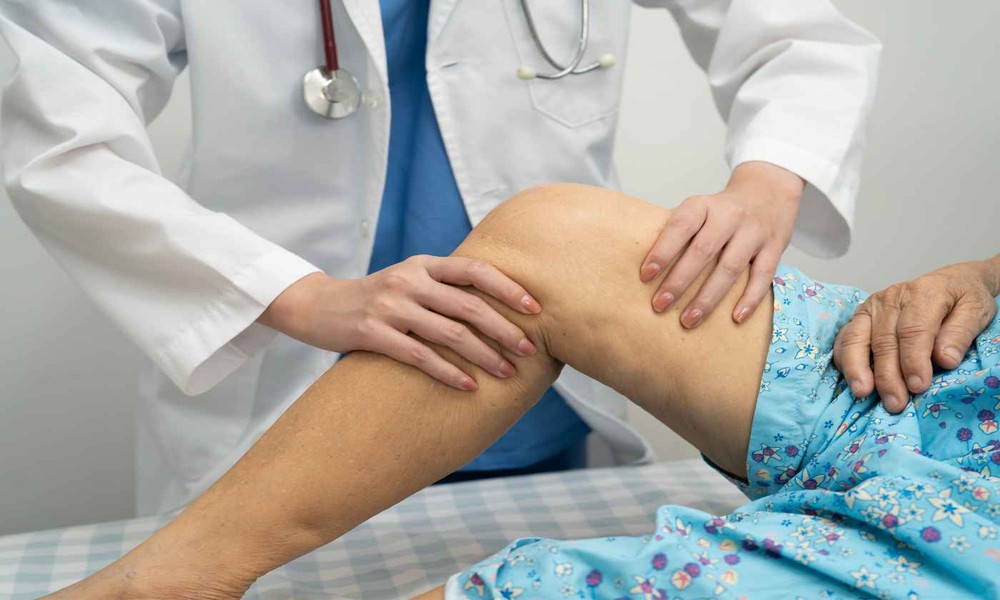
The decision to undergo joint replacement surgery represents a significant step toward reclaiming an active life free from chronic pain. Hip, knee and shoulder replacements have become increasingly common procedures with high success rates, yet outcomes depend heavily on how well patients prepare before entering the operating room. The weeks and months preceding surgery offer opportunities to optimize physical condition, arrange practical support and mentally ready yourself for the recovery journey ahead.
Understanding what preparation involves helps patients approach surgery with confidence and position themselves for the best possible results.
Attending Pre-Surgery Education Classes
Many surgical programs offer classes specifically designed to prepare patients and their caregivers for joint replacement. These sessions explain what happens during surgery, what to expect during hospital stays and how to participate actively in rehabilitation. The knowledge gained reduces anxiety while setting realistic expectations for recovery timelines.
Education classes also teach practical skills patients will need after surgery. Learning how to use walkers, navigate stairs with new joints and perform prescribed exercises before surgery makes the post-operative period less overwhelming. Patients who understand their role in recovery tend to engage more fully with rehabilitation.
Caregivers benefit from these classes as much as patients do. Family members learn how to provide appropriate support without doing too much, which can actually slow recovery. Understanding what help patients genuinely need versus what they should do independently prepares everyone for the adjustment period following surgery.
Strengthening Your Body Beforehand
Physical condition entering surgery significantly affects recovery speed and outcomes. Stronger muscles around joints provide better support during healing and rehabilitation. Patients who build strength beforehand often progress through physical therapy faster than those who arrive deconditioned.
Pre-surgical physical therapy, sometimes called prehabilitation, targets the specific muscle groups that joint replacement affects. These exercises improve range of motion, build strength and establish movement patterns that will matter during recovery. Starting rehabilitation before surgery gives patients a head start on the work that follows.
Choosing companies like South Shore Health ensures access to comprehensive programs where fellowship-trained surgeons, orthopedic nurses and specialized rehabilitation experts work together throughout the entire process. Their pre-operative assessments identify individual needs and create preparation plans tailored to each patient’s situation.
Preparing Your Home Environment
Returning home after joint replacement requires a living space that accommodates temporary mobility limitations. Removing trip hazards like loose rugs and electrical cords prevents falls during the vulnerable early recovery period. Rearranging furniture to create clear pathways makes navigation with walkers or crutches safer.
Consider which daily activities will prove challenging and plan solutions in advance.
Placing frequently used items at accessible heights eliminates painful reaching or bending. Installing grab bars in bathrooms provides stability during personal care. Setting up a recovery station on the main floor avoids difficult stair climbing during the first weeks home.
Meal preparation becomes difficult immediately after surgery. Stocking the freezer with prepared foods, arranging meal delivery services or coordinating help from friends and family ensures proper nutrition without requiring patients to cook before they are ready.
Managing Medications and Health Conditions
Surgeons need complete information about all medications patients take, including over-the-counter drugs and supplements. Some medications affect bleeding and must be stopped before surgery. Others interact with anesthesia in ways that require planning. Full disclosure allows surgical teams to manage these factors safely.
Chronic health conditions require attention before joint replacement. Diabetes needs tight control because elevated blood sugar increases infection risk. Heart conditions may require clearance from cardiologists. Addressing these issues beforehand prevents surgical delays and complications.
Dental work should be completed before joint replacement because mouth bacteria can travel through the bloodstream to artificial joints. Infections in new joints create serious problems that proper timing of dental procedures prevents.
Arranging Post-Operative Support
Recovery from joint replacement requires help that patients should not expect to provide for themselves. Someone must drive patients home from the hospital and remain available during the first days of recovery. Attempting independence too early risks falls and complications that proper support prevents.
Physical therapy begins almost immediately after surgery and continues for weeks or months. Understanding the therapy schedule and arranging transportation to appointments matters because consistent participation produces better outcomes. Missing sessions slows progress and may compromise final results.
Home health services bridge the gap between hospital discharge and full independence. Visiting nurses monitor healing, manage medications and watch for complications. Home-based physical and occupational therapists continue rehabilitation work between outpatient sessions. Knowing what services insurance covers helps patients plan for this transitional period.
Setting Realistic Recovery Expectations
Joint replacement relieves pain and restores function, but recovery takes time that patients must respect. Pushing too hard too fast creates setbacks that patience would have prevented. Understanding typical recovery timelines helps patients accept the gradual progress that successful healing requires.
Most patients stand and begin walking the same day as surgery. Pain persists for weeks but decreases steadily with proper management. Full recovery typically takes several months, though improvements continue for up to a year. Knowing this trajectory helps patients maintain perspective during challenging early weeks when progress feels frustratingly slow.